
SITE ECOLOGY SERVICES
Understanding the Land Before Building
Responsible construction begins with understanding what is already there. Trees, soil conditions and ecosystems influence how buildings should be designed, positioned and built.
Our site ecology services help architects, developers and landowners make informed decisions about their land before construction begins, so that valuable natural assets are preserved rather than lost by default.
Tree Surveys & Risk Assessment
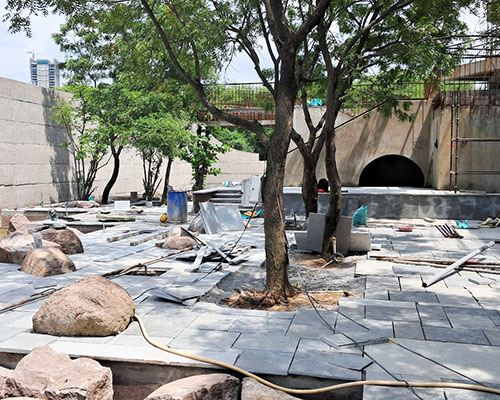
Development projects require careful evaluation of existing trees before design and construction begin. We assess tree condition, structural stability and long-term viability to determine which trees should be retained, protected or removed, giving project teams a clear technical basis for integrating trees into site planning rather than making assumptions that lead to unnecessary loss or unexpected costs.
For trees in built environments, we provide ongoing risk assessment to ensure safety and long-term health, with recommendations for pruning, structural support or removal where necessary.
Professional Tree Care
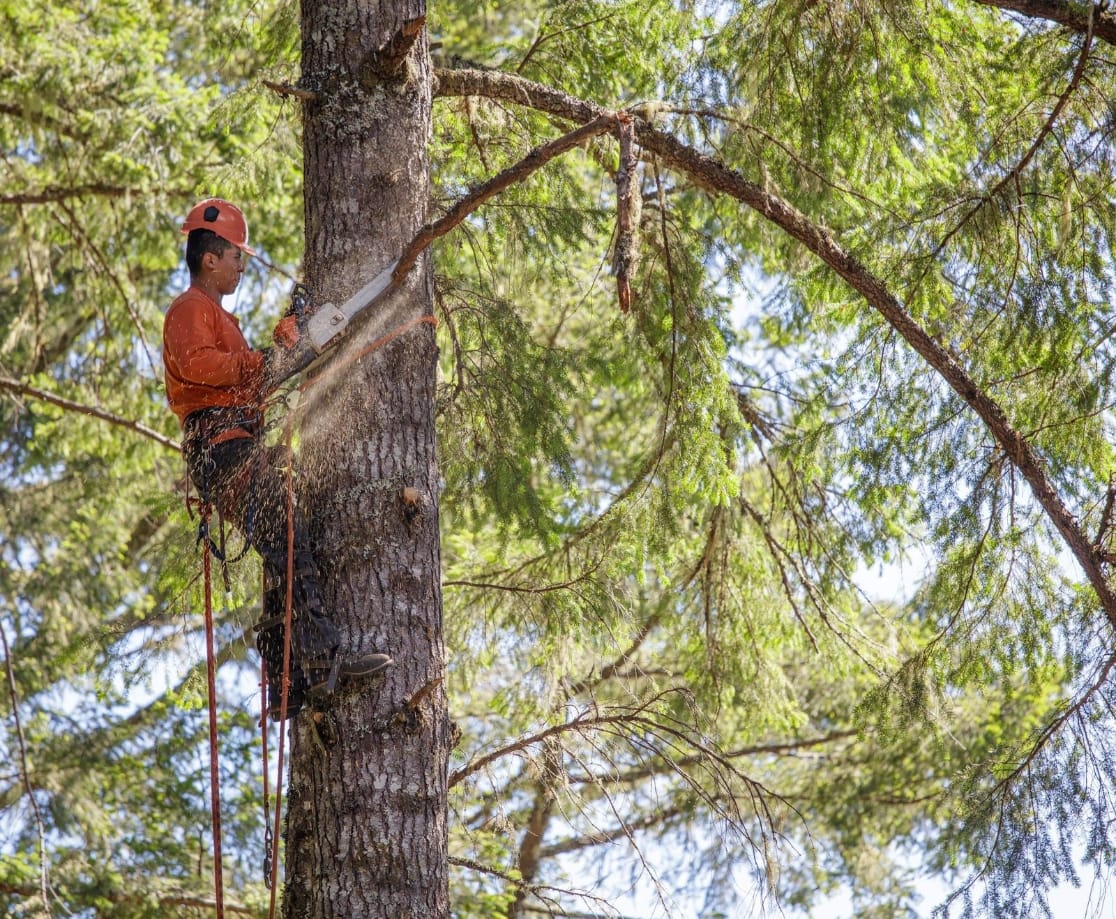
Healthy trees require skilled maintenance. We provide professional arboriculture services: pruning, structural support and safe removal when necessary. Each tree is evaluated individually and maintained with a balance of safety, aesthetics and long-term biological health.
Trees on Construction Sites
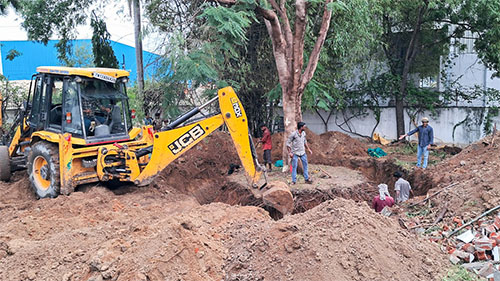
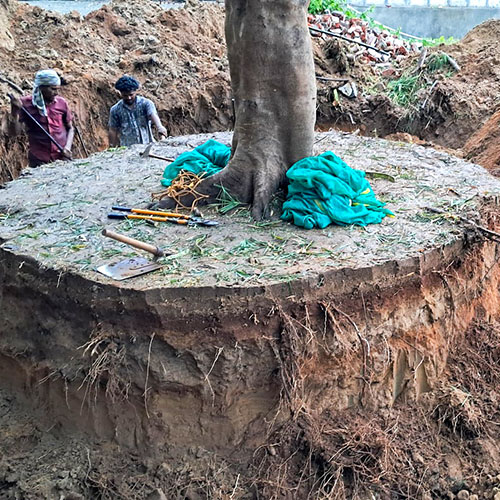
Construction activity damages trees when protection is not planned in advance. We develop practical tree protection strategies coordinated with the construction process: protection zones for root systems and canopy areas, precautions against soil compaction and physical damage, and site monitoring where required.
Early planning avoids unnecessary tree loss and protects assets that took decades to grow.
Ecological Restoration & Biodiversity
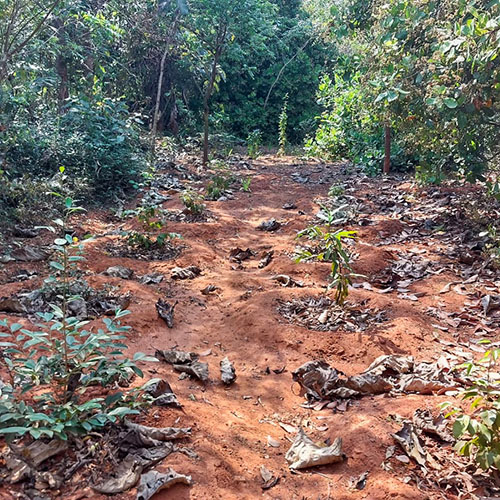
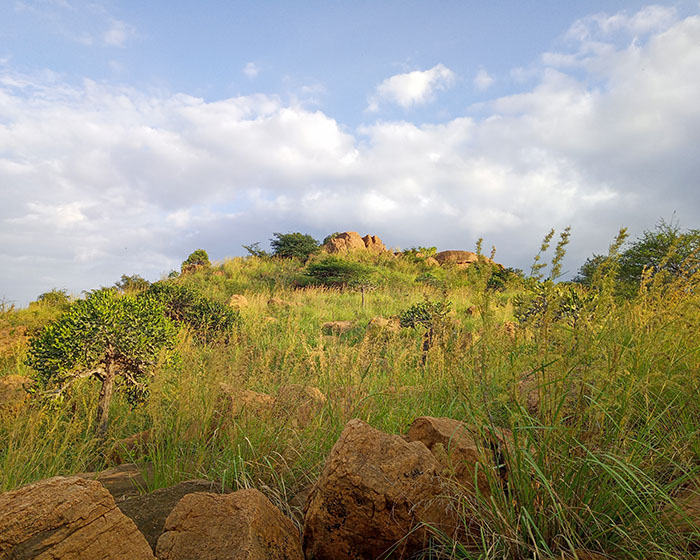
Beyond individual trees, we support projects aimed at restoring or strengthening natural ecosystems — replanting native species, restoring degraded land and developing long-term ecological management plans. These services support landowners and organisations seeking measurable environmental impact.
Tree Planting & Landscape Integration
Well-designed planting improves environmental performance and long-term site quality. We provide species selection guidance and planting strategies adapted to site conditions, including soil preparation, planting methods and aftercare specifications.
Integrated Site Ecology
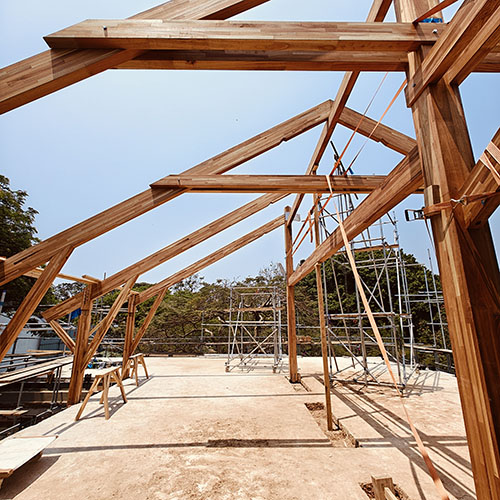
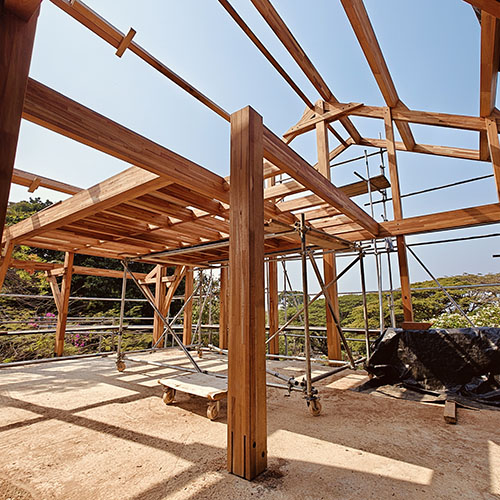
Site ecology is most effective when it is part of the project from the start — not an afterthought triggered by regulation. At Lumber & Leaf, ecological assessment works alongside timber engineering and construction planning. The result is projects that respond to their surroundings rather than ignoring them.