
Timber Engineering Consultancy
Structural timber expertise for architects, developers and institutions across India.
Lumber & Leaf provides structural design, feasibility analysis and execution planning for engineered timber structures. We bring European structural carpentry knowledge and Eurocode-based engineering to the Indian context, delivering solutions that are technically sound and genuinely buildable.
What is Timber Engineering?
Timber engineering is the structural design of buildings using engineered wood: glulam, CLT, timber frame and hybrid systems. Unlike concrete or steel, timber structures demand specialised knowledge that most structural engineers in India are not trained for: load paths behave differently, stability concepts are specific to timber, connections carry the intelligence of the structure, and moisture behaviour must be understood from the outset.
This is not standard structural engineering with a different material. It is a distinct discipline and the depth of work involved reflects that.
Our consultancy provides the technical foundation that allows timber structures to be safely designed, correctly detailed and successfully built. We work closely with architects and engineers to turn design intent into structural reality.
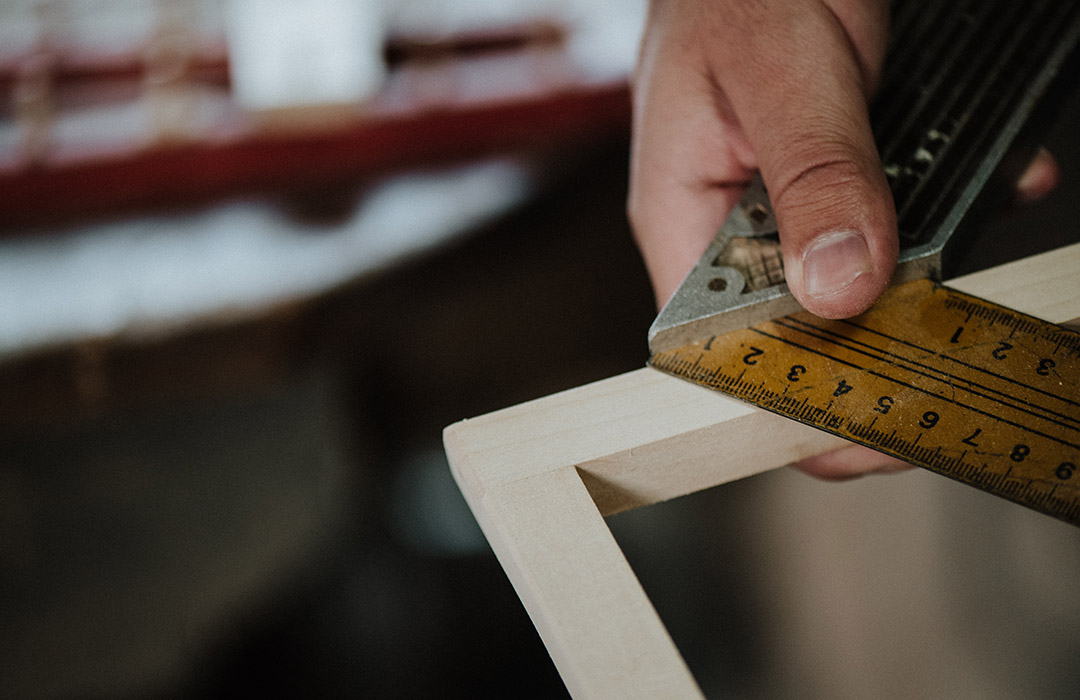
Engineered Clarity From the Beginning
Most problems in timber construction can be traced back to decisions, or the absence of decisions, made too early. Involving a timber engineer at the concept stage changes the trajectory of a project.
We help define:
- Structural systems and span logic
- Timber member sizing and optimisation
- Load paths, stability and bracing
- Foundation interface requirements
- Prefabrication and assembly strategy
- Cost and programme implications
This early-stage clarity is where the most value is created. It prevents false assumptions from compounding into expensive problems later.
Timber Engineering Services
A conventional structural engineer sizes members and checks code compliance. A timber engineering consultancy goes significantly further, because timber demands it. Feasibility must be assessed before assumptions take hold. Connections must be individually designed, not selected from a catalogue. Fabrication and assembly logic must be resolved before anything reaches site. The scope below reflects what it actually takes to deliver a timber structure that performs.
Feasibility & Structural Strategy
We evaluate projects in their early stages to determine whether timber is structurally and economically viable, and under what conditions.
Scope includes:
• Preliminary structural calculations
• Span and grid optimisation
• Stability and bracing concepts
• Structural system comparison
• Early cost and buildability assessment
This is where major mistakes get caught cheaply, and where confident decisions are made.
Structural Design & Calculations
Full structural design and documentation aligned with Eurocode 5 and adapted to Indian project requirements.
Scope includes:
• Structural modelling and analysis
• Load calculations and member sizing
• Global stability and bracing design
• Connection design (timber-to-timber, timber-to-steel)
• Fire, seismic and environmental checks where required
• Structural calculation report
Shop Drawings & Fabrication Documentation
Detailed documentation that bridges engineering and workshop. This is what allows a timber structure to actually be made.
Scope includes:
• Shop drawings for glulam and engineered timber members
• Connection and joint detail drawings
• Hardware and fastener schedules
• Steel bracket and plate drawings
• Bills of materials and cutting lists
Erection & Installation Drawings
Clear assembly documentation for site teams — because a well-engineered structure still needs to be put together correctly.
We support:
• Layout plans showing exact member positioning
• Assembly sequence and orientation notes
• Connection detail references for installers
Architect & Engineer Collaboration
We work as part of the project team — not in isolation. Timber engineering has to be coordinated with architectural intent, structural engineering scope and construction logistics from the start.
We support architects, structural engineers, developers and contractors throughout the design and construction process. Where required, we coordinate with engineers of record and other consultants to ensure the timber scope integrates cleanly with the wider project.
European Engineering Expertise, Indian Execution
Our engineering approach draws on European timber construction practice, developed through decades of structural innovation and codified in standards like Eurocode 5. Through our international partnerships, we collaborate with specialist structural engineers and use professional timber design tools to deliver reliable, optimised structural systems.
But engineering knowledge alone is not enough. What sets our work apart is the connection between calculation and construction. Because we are based in India, not advising remotely from Europe, we understand the local reality firsthand: fabrication capabilities, transport constraints, crane access, monsoon conditions, assembly tolerances and site logistics. These are not afterthoughts, they shape how we approach every project from the outset.
Designed for Prefabrication
Timber structures benefit from precision prefabrication, and our engineering is designed with that in mind.
We develop systems that can be prefabricated locally, CNC-machined by specialist partners, or shipped ready for assembly in India. Prefabrication improves dimensional accuracy, reduces site variability and accelerates construction timelines.
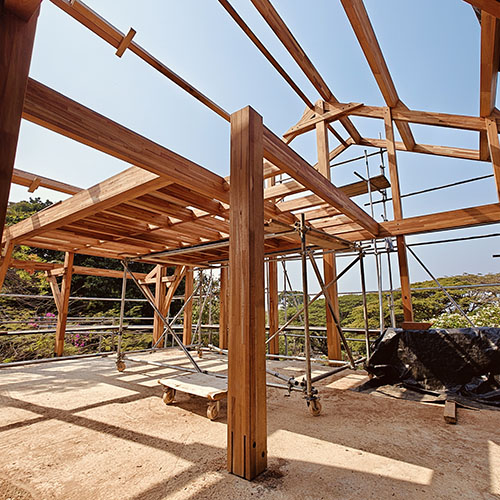
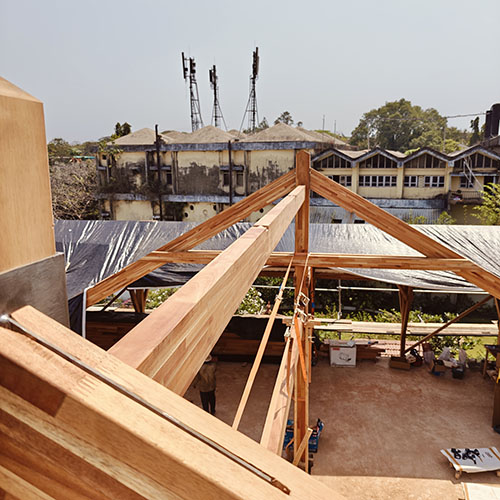
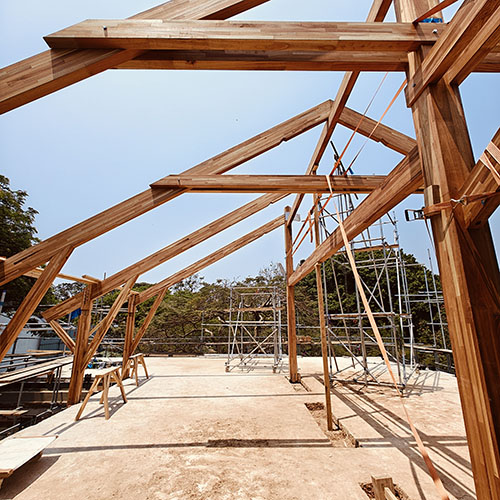
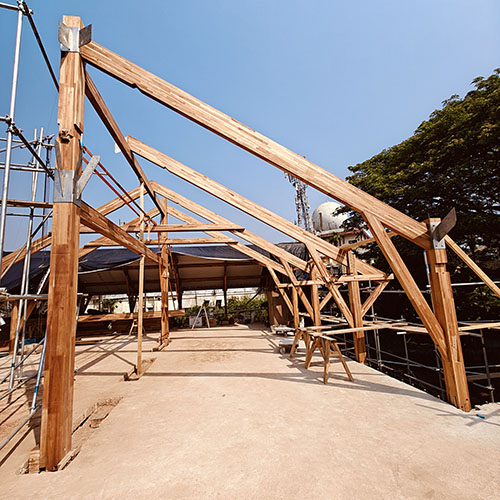
Bridging Engineering and Construction
Timber engineering only works when structures are designed to be built.
Our background in structural carpentry allows us to translate engineering concepts into practical construction methods. From assembly sequences and lifting strategies to connection accessibility, installation tolerances and site constraints, these factors are considered from the earliest stages of design.
This approach ensures engineered systems can be executed efficiently and perform as intended during construction
When to Involve a Timber Engineer
The earlier, the better. The greatest value is created when timber engineering is involved from the feasibility stage, before spans are assumed, grids are locked and structural systems are chosen by default.
Typical project stages include:
- Early feasibility and go/no-go assessment
- Concept and schematic design
- Design development and coordination
- Pre-construction and fabrication planning
Late involvement costs more and delivers less. Early involvement saves time, cost and false expectations.