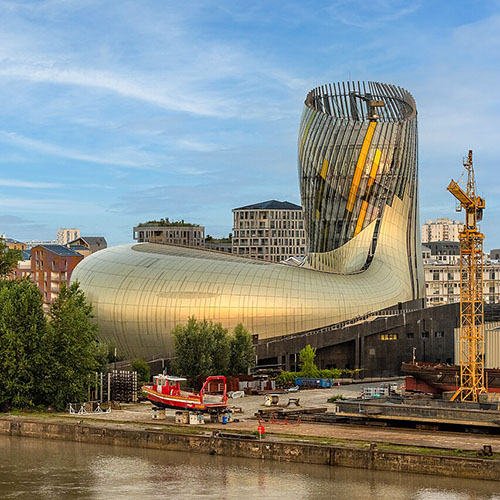
An iconic cultural landmark dedicated to wine civilizations, La Cité du Vin combines expressive architecture with advanced structural engineering. Designed by XTU Architects, the building features a distinctive curved form inspired by the movement of wine in a glass. Daniel Imhoff contributed to this project while working in France with Arbonis (VINCI Construction), supporting the prefabrication and execution of the building’s timber structure.
COMPLEX CURVED TIMBER STRUCTURE
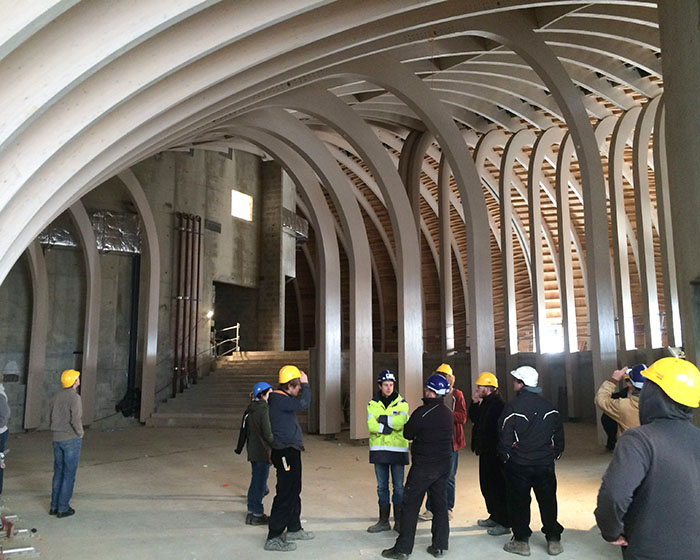
LARGE-SCALE ENGINEERED TIMBER FRAME
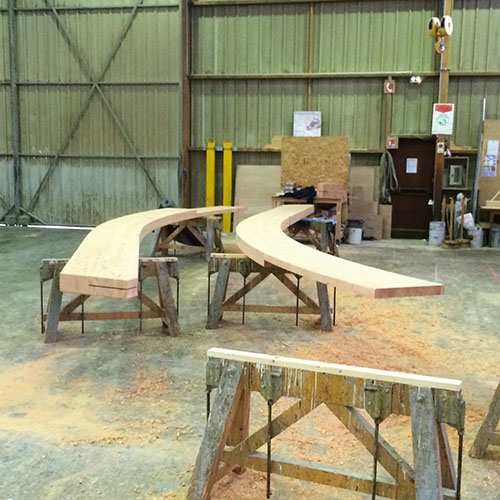
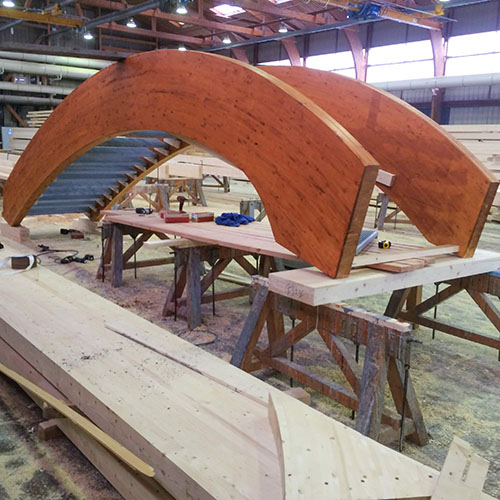
PRECISION PREFABRICATION
INTEGRATION OF ARCHITECTURAL GEOMETRY
LANDMARK CULTURAL BUILDING
Project Overview
La Cité du Vin is an internationally recognised museum and cultural centre located on the banks of the Garonne River in Bordeaux. Designed as a fluid and sculptural form, the building required sophisticated structural solutions to translate the architects’ complex geometry into a buildable structure.
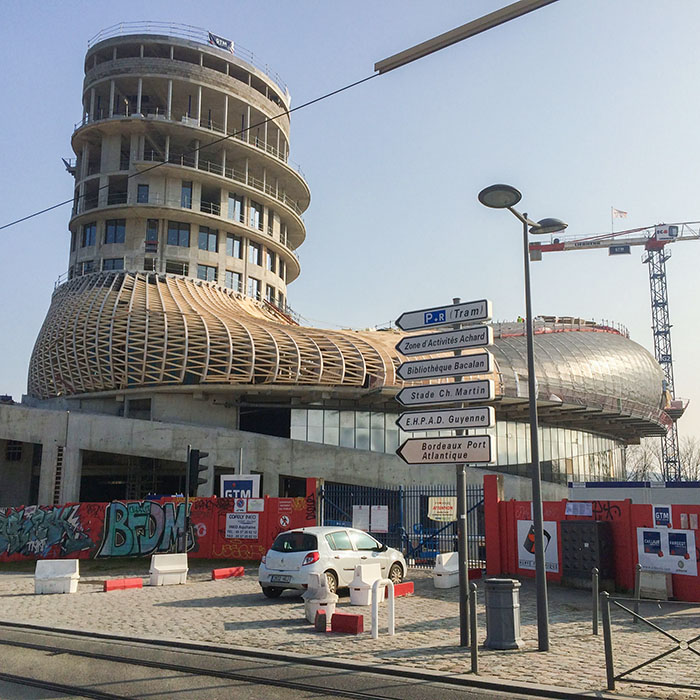
The project integrates engineered timber elements within a hybrid structural system, allowing the building’s curved form to be realised while maintaining structural efficiency and durability.
This landmark structure demonstrates how advanced timber engineering can support ambitious architectural concepts.
Scope of Work
TIMBER PREFABRICATION
STRUCTURAL COMPONENT PREPARATION
SITE INSTALLATION SUPPORT
COORDINATION OF TIMBER FRAME EXECUTION
Daniel Imhoff worked on this project while part of Arbonis, the timber construction subsidiary of VINCI Construction in France. His role focused on timber prefabrication and the execution phase, contributing to the delivery of the complex structural timber elements.
Structural Concept
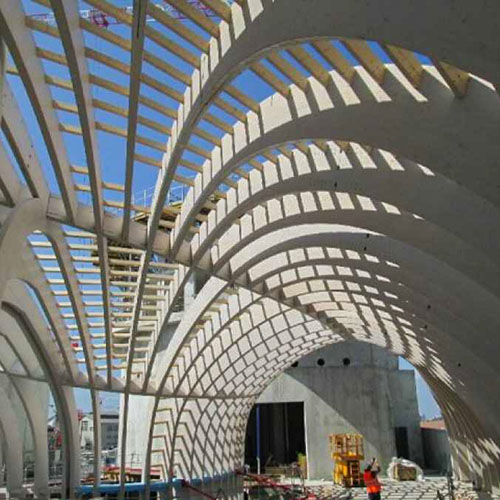
The building’s form is defined by a highly complex curved geometry that required precise translation into structural components.
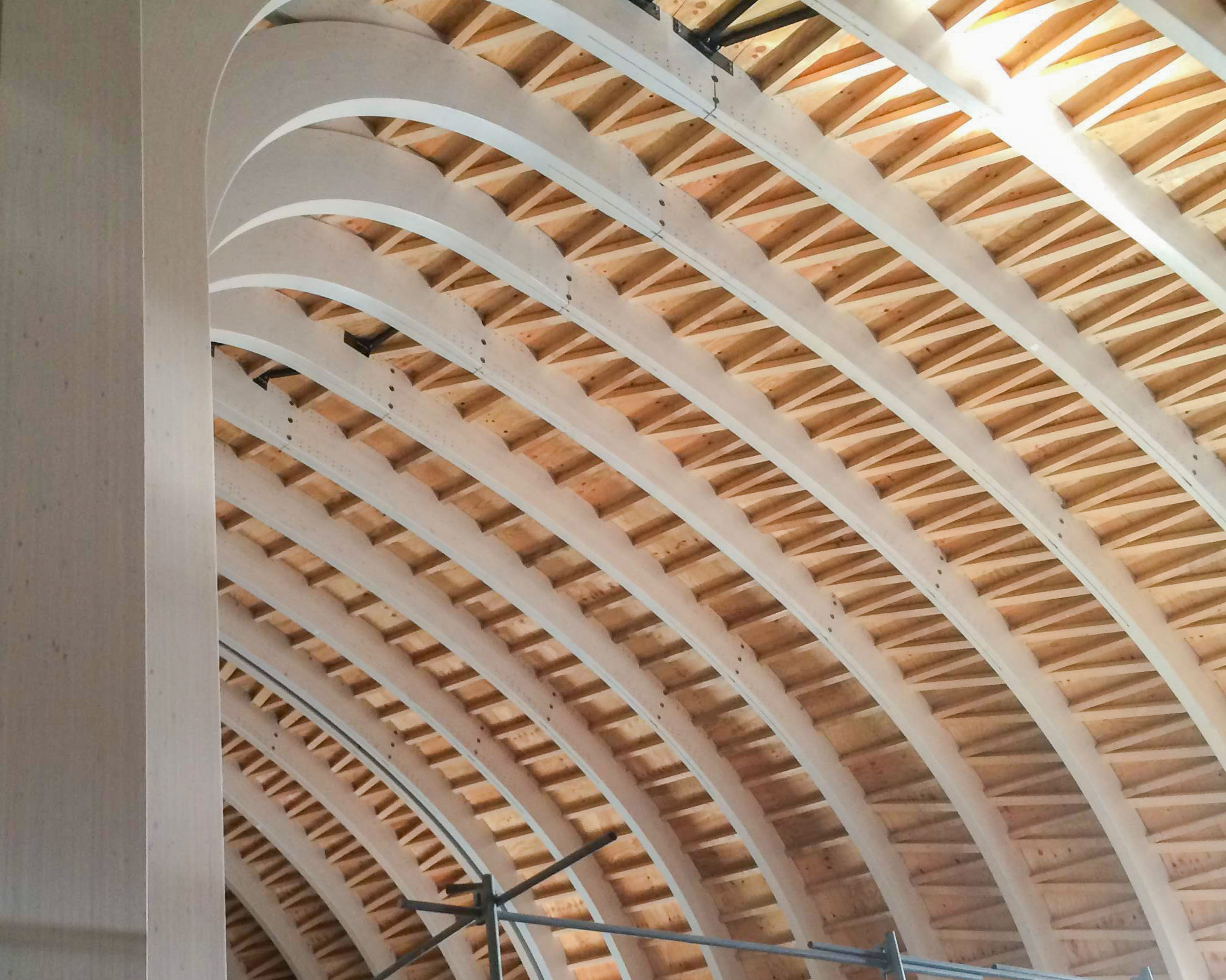
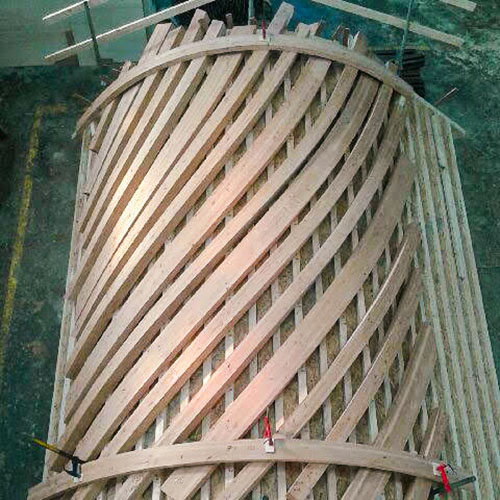
Engineered timber frames were developed to follow the architectural envelope while maintaining structural continuity. The timber system allowed flexible adaptation to the building’s dynamic form while maintaining structural efficiency.
Careful coordination between architectural design, structural engineering and prefabrication was essential to achieve the required geometric precision.
Materials & Systems
The structure integrates engineered timber components within a hybrid structural system combining timber, steel and concrete elements.
Timber elements were prefabricated with high precision to match the building’s curved geometry. The use of engineered timber allowed the structure to achieve both strength and adaptability while contributing to the building’s architectural expression.
Special attention was given to:
- Moisture protection
- Precision fabrication
- Connection detailing
- Integration with surrounding structural systems
Sustainability & Performance
The use of engineered timber contributes to reduced embodied carbon compared to conventional structural materials.
Timber also enabled efficient prefabrication and reduced construction waste. The material’s adaptability allowed the structural system to respond to the complex architectural form while maintaining structural performance.
This project illustrates the potential of timber engineering in delivering large-scale cultural architecture.
Process & Execution
The success of the project depended on close coordination between architectural design teams, structural engineers and the timber contractor.
Prefabricated timber components were produced with high precision before being transported to site for installation. Careful sequencing and coordination during construction ensured that the curved geometry was assembled accurately.
This collaborative process allowed the project to translate a highly complex architectural vision into a built reality.